


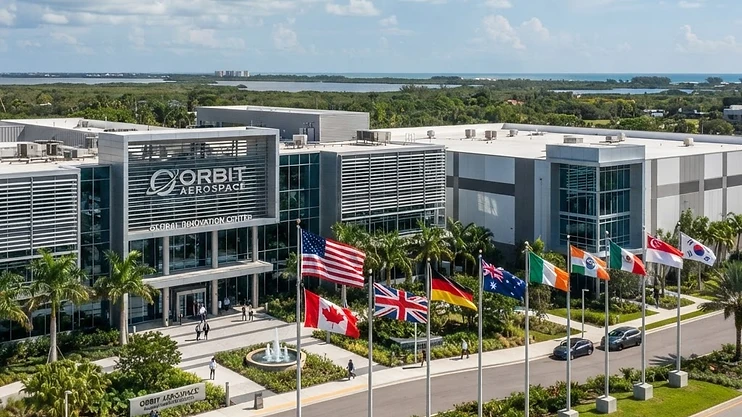
The 'Space Coast' is no longer just a domestic asset; it is a global node in the international space economy.
The internationalization of the Space Coast is no longer a theoretical trend; it is a daily reality in Melbourne, Florida. As the global aerospace sector grapples with the complexities of the New Space economy, companies from Europe and beyond are increasingly viewing Melbourne not just as a launch site, but as a strategic headquarters for their U.S. operations. The arrival of firms like Impulso.Space USA Corp. and the expansion of satellite manufacturers like Argotec are clear indicators that the region has reached a critical mass of talent, infrastructure, and regulatory support that is difficult to replicate elsewhere.
This influx of international capital and expertise is fundamentally changing the character of the local economy. It is creating a high-demand environment for specialized engineering talent and forcing local businesses to adapt to the rigorous standards of the global aerospace supply chain. The 'Space Coast' is no longer just a domestic asset; it is a global node in the international space economy. This shift brings with it new challenges, including the need for more sophisticated workforce training and the integration of international business practices into the local culture.
For organizations in Melbourne, Viera, and the surrounding areas, this global attention is a double-edged sword. It brings significant economic growth and prestige, but it also increases competition for resources and talent. Understanding why these global firms are choosing Melbourne—and what they expect from the local ecosystem—is essential for any business leader looking to capitalize on this new era of international aerospace collaboration.
What happened
The Economic Development Commission (EDC) of Florida’s Space Coast has been instrumental in facilitating this international expansion. The recent opening of Impulso.Space USA Corp.’s facility in Melbourne is a prime example of this strategy. By providing a 'soft landing' for international companies, the EDC has made it easier for firms to navigate the complexities of U.S. aerospace regulations and local permitting. This is complemented by the presence of companies like Argotec, which has established a satellite production facility in Melbourne, further diversifying the local industrial base.
These companies are not just setting up sales offices; they are building high-tech manufacturing and processing centers. The decision to locate in Melbourne is driven by the region's unique combination of existing aerospace infrastructure, a skilled workforce, and the proximity to the Kennedy Space Center. As Pietro Guerrieri, CEO of Impulso.Space, noted, the region’s rich history and thriving community make it the perfect place to advance global capabilities. This is part of a broader trend where Florida is projected to see over 220 aerospace projects, bringing billions in economic impact to the state.
Why it matters
The deeper implication of this trend is the creation of a 'global aerospace cluster' in Melbourne. When international firms set up shop, they bring their own supply chains, their own engineering standards, and their own global networks. This creates a feedback loop that attracts even more investment. For the local economy, this means a more diverse and resilient industrial base that is less dependent on any single government contract or domestic launch program.
In two to three years, we expect to see Melbourne emerge as a primary hub for international aerospace collaboration. This will likely lead to the development of specialized services—such as international legal consulting, cross-border logistics, and specialized workforce training—that cater specifically to these global firms. The structural change here is the transition from a 'local' aerospace industry to a 'global' one, which will require local businesses to adopt international standards of quality and compliance to remain competitive.
The breakdown
- The 'Soft Landing' Strategy: The EDC’s role in helping international firms navigate the U.S. market is a masterclass in economic development. By reducing the friction of entry, they are capturing investment that might otherwise have gone to other states or countries.
- Diversification of the Industrial Base: The arrival of satellite manufacturers like Argotec alongside launch service providers like Impulso.Space creates a more balanced ecosystem. This diversification is critical for long-term economic stability.
- Talent Competition: The influx of global firms will inevitably drive up the demand for high-skilled engineering talent. This will put pressure on local universities and technical colleges to scale their programs rapidly.
- Regulatory and Compliance Standards: International firms bring with them the need for compliance with both U.S. and international aerospace regulations. This creates a market for local firms that can provide specialized legal and technical consulting services.
- Supply Chain Integration: As these global firms establish their U.S. operations, they will look to local suppliers for components and services. This is a massive opportunity for local machine shops, software developers, and logistics providers to integrate into the global aerospace supply chain.
- The 'Network Effect': The more international firms that choose Melbourne, the more attractive the city becomes to others. This creates a self-reinforcing cycle of growth that is difficult for other regions to disrupt.
- Global Visibility: The presence of these international companies puts Melbourne on the map for global investors and partners. This increases the region's influence in international aerospace policy and trade discussions.
Key takeaways
- Melbourne is becoming a global hub for international aerospace firms, not just a domestic launch site.
- The EDC’s 'soft landing' strategy is successfully attracting high-value international investment.
- Local businesses must adapt to international standards to participate in the global supply chain.
- The influx of global firms is diversifying the local economy and increasing its resilience.
Our view
Most coverage of this trend focuses on the 'prestige' of having international companies in Melbourne. We think this misses the point. The real story is the 'operational integration' that is happening behind the scenes. These companies are not here for the weather; they are here because the Space Coast offers a unique combination of infrastructure and regulatory support that is currently unmatched globally. The firms that succeed will be the ones that fully integrate into the local ecosystem, rather than trying to operate as isolated islands.
We believe that the biggest challenge for Melbourne will be managing the pace of this growth. If the local infrastructure—housing, transportation, and education—cannot keep up with the influx of high-skilled workers, the region risks losing its competitive edge. The winners will be the local businesses that proactively partner with these international firms to provide the services they need to scale. The losers will be those who wait for the growth to happen to them, rather than actively participating in the transformation.
What to do about it
- For Local Businesses: Audit your current capabilities against international aerospace standards. If you can meet these requirements, you are in a prime position to become a supplier for these new international arrivals.
- For Educators: Partner with these international firms to develop specialized training programs. They are desperate for talent and are often willing to invest in the development of the local workforce.
- For Policy Makers: Focus on the 'soft' infrastructure—housing, schools, and quality of life—that will attract and retain the high-skilled international talent these companies are bringing to the region.
The bottom line
The internationalization of Melbourne is a clear signal that the Space Coast has arrived on the global stage. By embracing these global partners, the region is not just growing; it is evolving into a sophisticated, international aerospace hub. This is a unique opportunity for local businesses and leaders to shape the future of the global space economy from right here in Florida.