


This is not just a factory; it is a strategic anchor that will define the economic trajectory of the Space Coast for the next decade.
The landscape of Merritt Island is changing, and it is not just the scrub brush being cleared for new construction. It is the physical manifestation of a massive, multi-billion dollar bet on the future of heavy-lift rocketry. Blue Origin’s decision to invest $600 million into its 'Project Horizon' facility is a clear signal that the company is moving from the R&D phase into full-scale, high-volume production. This is not just a factory; it is a strategic anchor that will define the economic trajectory of the Space Coast for the next decade.
For the residents of Melbourne and the surrounding areas, this expansion is a double-edged sword. On one hand, it promises 500 high-paying jobs with an average salary of $98,000, a significant boost to the local economy. On the other, it places immense pressure on local housing, infrastructure, and the labor market. The proximity of this facility to the Kennedy Space Center Visitor Complex is no accident; it is part of a deliberate strategy to create a self-sustaining aerospace ecosystem that minimizes the distance between design, manufacturing, and launch.
As we look at the broader shifts in the aerospace industry, it is clear that the Space Coast is no longer just a place where rockets go to launch. It is becoming a place where they are born. The integration of manufacturing and launch facilities on the same campus is a competitive advantage that few other regions can match. This article explores the implications of Blue Origin’s expansion and what it means for the future of the Space Coast as a global hub for aerospace manufacturing.
What happened
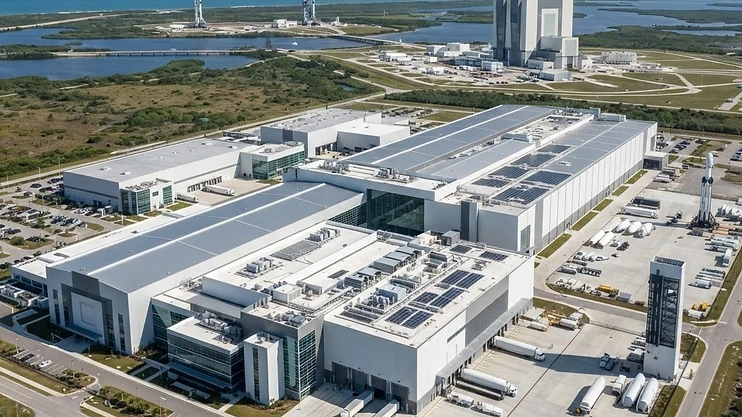
Blue Origin has officially committed $600 million to expand its Rocket Park campus on Merritt Island. This project, known as 'Project Horizon,' will add an 830,000-square-foot manufacturing facility dedicated to the production of the upper stage of the New Glenn heavy-lift rocket. This investment is supported by the Florida Spaceport Improvement Program, which provides infrastructure support to aerospace companies, further cementing the partnership between the state and the private sector.
This expansion is part of a larger trend of capital investment on the Space Coast. By early 2026, Blue Origin had already invested over $3 billion into its facilities in the region. The new facility will sit adjacent to the existing 750,000-square-foot factory, creating a massive, integrated manufacturing hub. The goal is to increase the capacity for cargo delivery to orbit, specifically to support the 12 firm launches for Amazon’s Project Kuiper and a $2.4 billion U.S. Space Force contract.
Local officials, including Governor Ron DeSantis, have touted the project as a major win for Florida’s economy. The focus is on creating high-quality jobs and establishing the state as a leader in the 'innovation economy.' The project is expected to be completed in the coming years, with hiring already ramping up to meet the demands of the increased production schedule. This is a clear sign that the Space Coast is successfully transitioning from a government-led space program to a private-sector-led aerospace industry.
Why it matters
The significance of this expansion lies in the shift toward 'vertical integration' of the aerospace supply chain. By manufacturing the upper stage of the New Glenn rocket on-site, Blue Origin is reducing the logistical complexity and cost of its launch operations. This is a critical step in achieving the economies of scale necessary to compete in the global launch market. The ability to manufacture, test, and launch from a single location is a massive competitive advantage that will allow Blue Origin to respond more quickly to customer needs.
For the local economy, this means a sustained demand for high-skilled labor. The 500 new jobs are just the beginning; the ripple effect will be felt across the entire region, from housing and retail to education and healthcare. The challenge for local leaders in Melbourne and Viera will be to manage this growth in a way that maintains the quality of life for existing residents while providing the infrastructure needed to support the new workforce. This will require a proactive approach to urban planning and investment in public services.
In the long term, this expansion will solidify the Space Coast’s position as the premier aerospace manufacturing hub in the United States. As more companies follow Blue Origin’s lead, we will see the development of a specialized supply chain that is unique to the region. This will create a 'cluster effect' that will attract even more investment and talent, making it increasingly difficult for other regions to compete. The Space Coast is no longer just a launch site; it is becoming a center of gravity for the entire aerospace industry.
The breakdown
- Vertical Integration: By manufacturing the upper stage of the New Glenn rocket on-site, Blue Origin is streamlining its supply chain and reducing the costs associated with transporting large components. This allows for a more efficient and responsive production process.
- Economic Impact: The creation of 500 high-paying jobs with an average salary of $98,000 will have a significant positive impact on the local economy in Melbourne and the surrounding areas. This will drive demand for housing, services, and local businesses.
- Infrastructure Support: The use of the Florida Spaceport Improvement Program demonstrates the effectiveness of state-level support for aerospace infrastructure. This partnership is a key factor in attracting and retaining major aerospace companies.
- Competitive Advantage: The proximity of the manufacturing facility to the launch site is a major competitive advantage that allows for faster turnaround times and lower operational costs. This is a key differentiator in the global launch market.
- Supply Chain Development: The expansion will drive the development of a specialized supply chain in the region, attracting other aerospace companies and suppliers. This will create a self-sustaining ecosystem that is difficult for other regions to replicate.
- Workforce Demand: The project will create a sustained demand for high-skilled labor, which will require investment in education and training programs. This is an opportunity for local universities and technical colleges to align their curricula with the needs of the industry.
- Long-Term Commitment: The $600 million investment is a clear signal of Blue Origin’s long-term commitment to the Space Coast. This provides stability and confidence for other investors and companies looking to establish a presence in the region.
Key takeaways
- Blue Origin’s $600M expansion is a strategic move to dominate the heavy-lift market.
- The project creates a fully integrated manufacturing and launch hub on Merritt Island.
- The expansion will drive significant economic growth and demand for high-skilled labor in the region.
- State-level infrastructure support is a critical factor in the success of the Space Coast’s aerospace cluster.
- The region is evolving into a global center for aerospace manufacturing, not just launch operations.
Our view
Most coverage of this story focuses on the 'jobs' and the 'money,' but the real story is the shift in the aerospace business model. We are moving away from the 'government contractor' model of the past to a 'commercial manufacturing' model of the future. Blue Origin is not just building a factory; they are building a platform for the industrialization of space. The companies that will win in this new era are those that can master the manufacturing process as well as the launch process.
We believe that the Space Coast is currently in the early stages of a massive transformation that will see it become the 'Detroit' of the aerospace industry. The concentration of manufacturing, testing, and launch facilities in one location is a powerful force that will drive innovation and efficiency. The biggest risk is not that the industry will fail, but that the local infrastructure will not be able to keep up with the pace of growth. We need to see more investment in housing, transportation, and education to ensure that the region can support this new, high-tech economy.
What to do about it
- For local businesses: Focus on providing the specialized services and products that the growing aerospace workforce will need. This includes everything from housing and retail to specialized engineering and logistics support.
- For investors: Look for companies that are part of the emerging aerospace supply chain in the region. The growth of the industry will create opportunities for suppliers, service providers, and technology firms.
- For policymakers: Prioritize investment in infrastructure and education to support the growing aerospace workforce. This includes everything from affordable housing and transportation to STEM education programs.
- For technical leaders: Consider how your company can leverage the growing aerospace ecosystem on the Space Coast. The region is becoming an ideal location for companies that require a high-tech, high-infrastructure environment.
The bottom line
Blue Origin’s $600 million expansion on Merritt Island is a clear signal that the Space Coast is becoming the heart of the American aerospace manufacturing industry. By integrating manufacturing and launch operations, the company is setting a new standard for efficiency and competitiveness. This investment will drive significant economic growth and solidify the region’s position as a global leader in the space economy. As we look to the future, the Space Coast will continue to be the place where the next generation of space exploration is built.