


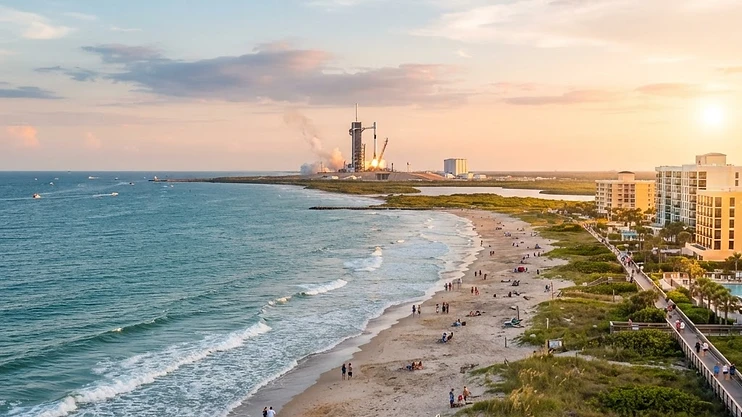
The Space Coast is no longer just a place where rockets launch; it is the epicenter of a new, multi-billion dollar global space economy.
The Space Coast is no longer just a place where rockets launch; it is the epicenter of a new, multi-billion dollar global space economy. The convergence of private capital, government policy, and a highly specialized workforce has created a unique ecosystem that is attracting companies from around the world. This is not a temporary boom; it is a structural shift in the global aerospace industry that is centered firmly in Brevard County.
As we look at the landscape in late 2026, the evidence is clear: the region is outperforming every other aerospace hub in the country. The combination of existing infrastructure, a supportive regulatory environment, and a culture of innovation has made the Space Coast the 'go-to' location for any company serious about space operations. This article explores the factors driving this growth, the challenges of maintaining this momentum, and what the future holds for the region.
We will analyze the impact of recent tax incentives, the role of organizations like Space Florida, and the influx of international firms that are setting up shop in the region. This is a story of how a region that was once defined by the end of the Shuttle program has reinvented itself as the heart of the commercial space age.
What happened
The transformation of the Space Coast has been driven by a deliberate and sustained effort to attract private investment. The establishment of the Space Training and Readiness Command (STARCOM) at Patrick Space Force Base was a major milestone, providing a level of stability and federal commitment that has encouraged private firms to invest in the region. Furthermore, the state of Florida has been aggressive in its use of tax incentives to attract aerospace, defense, and semiconductor businesses. A proposed tax break, aimed at exempting these industries from taxes on leased government property, is just the latest in a series of initiatives designed to make the region as attractive as possible. The result has been a steady stream of new companies, from startups like Epic Aerospace to global giants like Dassault Aviation, which recently opened a facility in Melbourne. This influx of companies has created a virtuous cycle of job creation, infrastructure investment, and economic growth that is unmatched in the aerospace sector.
Why it matters
The significance of this growth is that it is creating a self-sustaining ecosystem. The presence of a critical mass of aerospace companies attracts more talent, which in turn attracts more companies. This is the 'agglomeration effect' in action. In 2-3 years, we expect the Space Coast to be the undisputed global leader in commercial space operations, with a level of industrial density that will be difficult for any other region to replicate. This will have profound implications for the local economy, driving up property values, creating high-wage jobs, and necessitating further investment in infrastructure. The challenge will be to manage this growth in a way that preserves the quality of life for residents while continuing to support the industrial expansion that is driving the region's prosperity.
The breakdown
- The agglomeration effect: The concentration of aerospace firms, suppliers, and research institutions creates a unique environment where innovation can thrive. This density of expertise and resources is the primary driver of the region's success. It makes the Space Coast the most efficient place in the world to conduct space operations.
- State-led tax incentives: The aggressive use of tax breaks and other financial incentives has been a key factor in attracting companies to the region. By reducing the cost of doing business, Florida has made the Space Coast the most competitive location for aerospace firms. This is a model that other states are trying, and failing, to replicate.
- The role of Space Florida: As the state's finance and development authority, Space Florida has been instrumental in coordinating the growth of the aerospace industry. By providing a single point of contact for companies looking to set up operations, they have streamlined the process and made the region more accessible to international firms.
- The influx of international firms: The arrival of companies like Dassault Aviation and Satys demonstrates the global appeal of the Space Coast. These firms are not just looking for a place to launch; they are looking for a place to integrate into a world-class aerospace ecosystem. This internationalization of the region is a sign of its maturity and global standing.
- The STARCOM anchor: The permanent presence of the U.S. Space Force's STARCOM headquarters provides a level of long-term stability that is essential for private investment. It ensures that the region will remain a priority for federal funding and support, regardless of the political climate. This is a major competitive advantage.
- Workforce development: The region's ability to attract and retain top-tier talent is a key factor in its success. Partnerships between local companies and universities like Florida Tech ensure a steady pipeline of skilled workers. This is a critical component of the region's long-term competitiveness.
- Infrastructure as a competitive advantage: While infrastructure is a challenge, the ongoing investment in roads, utilities, and logistics is a sign of the region's commitment to growth. By proactively addressing these needs, the Space Coast is ensuring that it can support the next generation of aerospace operations.
Key takeaways
- The Space Coast is the global epicenter of the new space economy.
- Agglomeration, tax incentives, and federal support are the primary drivers of growth.
- The region is attracting a diverse mix of startups and global aerospace giants.
- Long-term success depends on managing growth and infrastructure investment.
- The internationalization of the region is a sign of its maturity and global standing.
Our view
Most coverage of the Space Coast focuses on the 'space race' narrative, but the real story is the 'industrialization' of space. We believe that the region is well on its way to becoming the 'Silicon Valley of Space.' The biggest risk is not competition from other regions, but the potential for the region to become a victim of its own success. If the cost of living and the strain on infrastructure become too high, it could drive away the very talent that is fueling the growth. The key to the future is a balanced approach that prioritizes sustainable growth and long-term investment. We expect to see a continued influx of international firms, which will further cement the region's status as a global hub. The companies that will win are those that can navigate the complexities of the local regulatory environment while leveraging the unique advantages of the Space Coast ecosystem. The region is at a turning point, and the decisions made in the next few years will define its trajectory for the next century.