


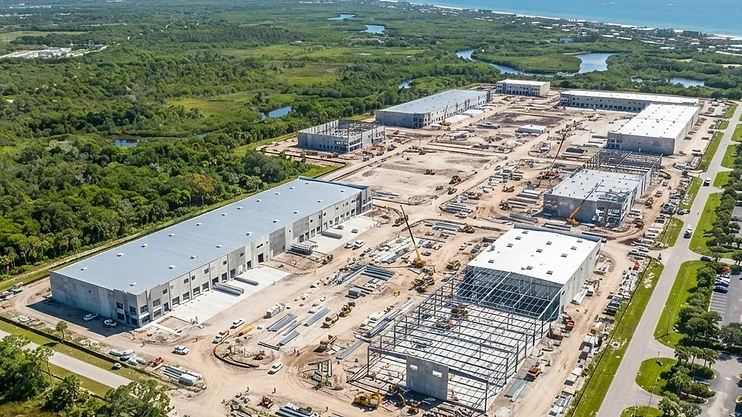
This is not just another business park; it is a deliberate attempt to create a hub for aerospace and defense manufacturing.
For years, the narrative of the Space Coast has been dominated by the activity at the Kennedy Space Center and the Cape Canaveral Space Force Station. But a quiet revolution has been taking place in North Brevard County, specifically in the city of Titusville. The recent groundbreaking of the 50-acre Space Coast Innovation Park is the latest evidence that the region is expanding its footprint and diversifying its industrial base. This is not just another business park; it is a deliberate attempt to create a hub for aerospace and defense manufacturing that can support the next generation of space exploration.
For the residents of Titusville, this project represents a significant opportunity for economic revitalization. The promise of 1,500 to 2,000 high-tech jobs is a game-changer for a city that has long been in the shadow of its more famous neighbors. The park’s location near the Space Coast Regional Airport and its proximity to the Kennedy Space Center make it an ideal site for companies that need to be close to the action but want the flexibility of a dedicated industrial zone. This is a clear sign that the growth of the Space Coast is not just concentrated in a few locations, but is spreading throughout the region.
As we examine the broader implications of this development, it is clear that the Space Coast is becoming a more mature and diversified economy. The focus on aerospace and defense is a natural fit for the region, but the addition of new, high-tech manufacturing capacity is a critical step in ensuring long-term sustainability. This article explores the significance of the Space Coast Innovation Park and what it means for the future of North Brevard and the broader Space Coast region.
What happened
On September 16, 2026, the Space Coast Innovation Park officially broke ground in Titusville. The 50-acre development is a partnership between Florida Commerce, Space Florida, and the Florida Department of Transportation. The project is planned as a three-phase hub that will eventually include 1 million square feet of workspace, including office space, hangars, and testing facilities. The goal is to attract aerospace and defense manufacturing companies that need access to the space center and the regional infrastructure.
This project is part of a larger effort to expand the industrial capacity of the Space Coast. With the demand for aerospace manufacturing at an all-time high, the region needs more space and better infrastructure to accommodate the influx of companies. The Titusville-Cocoa Airport Authority has provided the land, and the state has provided the funding and support to make the project a reality. This is a classic example of how public-private partnerships can drive economic development in the aerospace sector.
Local leaders, including Lynda Weatherman of the Economic Development Commission of Florida’s Space Coast, have been instrumental in pushing for this project. They recognize that the region needs to be proactive in providing the infrastructure that companies need to grow. The park is expected to be a major driver of economic growth in North Brevard, creating thousands of jobs and attracting new investment to the area. This is a clear sign that the Space Coast is successfully leveraging its competitive advantage to build a more resilient and diversified economy.
Why it matters
The significance of the Space Coast Innovation Park lies in its role as a catalyst for regional development. By creating a dedicated space for aerospace and defense manufacturing, the park is making it easier for companies to establish a presence in the region. This is a critical step in building a more robust and diversified aerospace cluster that can support a wide range of activities, from R&D to full-scale production. The park’s location in Titusville is also a strategic choice, as it helps to spread the economic benefits of the space industry to other parts of the county.
For the local economy, this means a sustained demand for high-skilled labor and a boost to the local tax base. The 1,500 to 2,000 jobs that are expected to be created will have a significant impact on the local community, driving demand for housing, services, and local businesses. The challenge for local leaders will be to ensure that the growth is managed in a way that maintains the quality of life for existing residents while providing the infrastructure needed to support the new workforce. This will require a proactive approach to urban planning and investment in public services.
In the long term, this project will help to solidify the Space Coast’s position as the premier aerospace manufacturing hub in the United States. As more companies establish a presence in the region, we will see the development of a specialized supply chain that is unique to the area. This will create a 'cluster effect' that will attract even more investment and talent, making it increasingly difficult for other regions to compete. The Space Coast is no longer just a launch site; it is becoming a center of gravity for the entire aerospace industry.
The breakdown
- Regional Economic Development: The park is a key part of the effort to spread the economic benefits of the space industry throughout the Space Coast, specifically in North Brevard County.
- Public-Private Partnership: The project is a successful example of how state and local government can work with private industry to create the infrastructure needed for economic growth.
- High-Tech Job Creation: The park is expected to create 1,500 to 2,000 high-tech jobs, providing a significant boost to the local economy and the regional labor market.
- Strategic Location: The park’s location near the Space Coast Regional Airport and the Kennedy Space Center makes it an ideal site for aerospace and defense companies.
- Infrastructure Investment: The project includes 1 million square feet of workspace, including office space, hangars, and testing facilities, providing the necessary infrastructure for high-tech manufacturing.
- Supply Chain Growth: The park will attract a wide range of aerospace and defense companies, helping to build a more robust and diversified supply chain in the region.
- Long-Term Sustainability: By diversifying the industrial base of the Space Coast, the park is helping to ensure the long-term economic sustainability of the region.
Key takeaways
- The Space Coast Innovation Park is a major new hub for aerospace and defense manufacturing in Titusville.
- The project is expected to create 1,500 to 2,000 high-tech jobs in North Brevard County.
- Public-private partnerships are a key driver of economic development on the Space Coast.
- The park is helping to spread the economic benefits of the space industry throughout the region.
- The project is a critical step in building a more robust and diversified aerospace cluster.
Our view
Most coverage of the Space Coast focuses on the 'big names' like SpaceX and Blue Origin, but the real story is the 'ecosystem' that is being built around them. The Space Coast Innovation Park is a perfect example of this. It is not about one company; it is about creating the infrastructure that allows a wide range of companies to thrive. We believe that this 'cluster' approach is the key to the long-term success of the Space Coast. The region is becoming a place where the entire aerospace supply chain can operate, from the smallest startup to the largest defense contractor.
We believe that the Space Coast is currently in the early stages of a massive transformation that will see it become the 'Silicon Valley' of the aerospace industry. The concentration of manufacturing, testing, and launch facilities in one location is a powerful force that will drive innovation and efficiency. The biggest risk is not that the industry will fail, but that the local infrastructure will not be able to keep up with the pace of growth. We need to see more investment in housing, transportation, and education to ensure that the region can support this new, high-tech economy.
What to do about it
- For local businesses: Focus on providing the specialized services and products that the growing aerospace workforce will need. This includes everything from housing and retail to specialized engineering and logistics support.
- For investors: Look for companies that are part of the emerging aerospace supply chain in the region. The growth of the industry will create opportunities for suppliers, service providers, and technology firms.
- For policymakers: Prioritize investment in infrastructure and education to support the growing aerospace workforce. This includes everything from affordable housing and transportation to STEM education programs.
- For technical leaders: Consider how your company can leverage the growing aerospace ecosystem on the Space Coast. The region is becoming an ideal location for companies that require a high-tech, high-infrastructure environment.
The bottom line
The groundbreaking of the Space Coast Innovation Park in Titusville is a major milestone for the region, signaling a new phase of growth and diversification. By providing the infrastructure needed for high-tech manufacturing, the park is helping to build a more robust and resilient aerospace cluster. This project will drive significant economic growth and solidify the Space Coast’s position as a global leader in the space economy. As we look to the future, the region will continue to be the place where the next generation of space exploration is built.