


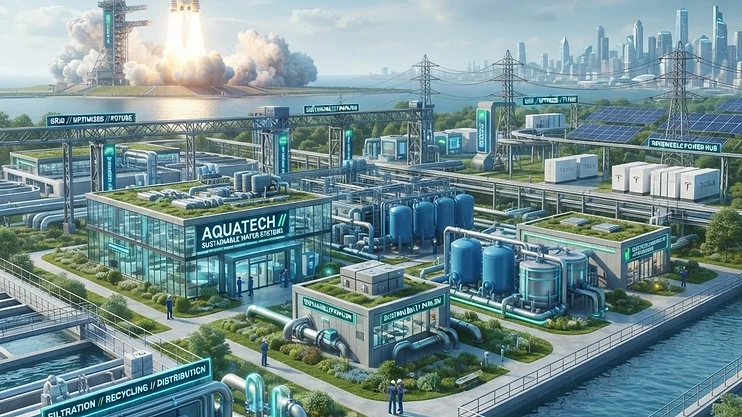
The infrastructure imperative is the true space race, and it is one that the Space Coast must win.
While the headlines focus on the record-breaking number of rocket launches, a quieter, more critical battle is being fought in the boardrooms and city halls of Melbourne, Titusville, and Viera. The rapid industrialization of the Space Coast, driven by the influx of aerospace companies and the expansion of launch providers like SpaceX, has placed an unprecedented strain on local infrastructure. The most pressing of these challenges is wastewater capacity and power grid reliability. Without significant, immediate investment in these foundational systems, the region risks hitting a growth ceiling that could stifle the very industry it has worked so hard to attract.
What happened
In late 2025 and throughout 2026, the reality of rapid industrial growth began to collide with the limitations of local infrastructure. Governor Ron DeSantis’s proposed 2026 budget includes $5 million specifically for wastewater capacity along the Space Coast, a direct response to the needs of commercial launch providers. This funding is part of a broader $17.5 million allocation for Space Florida to support the aerospace industry. The urgency is underscored by concerns raised by residents regarding environmental impacts, such as the draft permit renewal for Blue Origin, which highlights the tension between industrial expansion and local resource management. The Economic Development Commission of Florida’s Space Coast has been actively partnering with cities like Titusville on pilot projects for innovative water treatment technology, recognizing that the current infrastructure is insufficient for the scale of operations now being planned. As SpaceX continues to ramp up its operations and plans for additional launch pads for its Starship rocket, the demand for water, power, and waste management is expected to grow exponentially, making these infrastructure projects not just desirable, but essential for the region's survival as a premier aerospace hub.
Why it matters
This infrastructure challenge is the 'hidden' variable in the Space Coast's success. If the region cannot provide the necessary utilities, companies will be forced to look elsewhere, regardless of the launch advantages. This matters because it represents a shift from 'attracting' companies to 'sustaining' them. In two to three years, the winners in the regional economy will be the cities that have successfully upgraded their utility grids to handle the high-intensity demands of modern aerospace manufacturing. This will structurally change the local political landscape, as infrastructure investment becomes the primary metric by which local leaders are judged. The failure to address these issues could lead to a 'bottleneck effect,' where the growth of the aerospace sector is artificially capped by the inability of the local grid to support it. Conversely, those who solve these problems will create a massive competitive advantage, making the Space Coast an even more attractive destination for high-tech firms that require reliable, scalable infrastructure.
The breakdown
- Wastewater as a growth constraint: The industrial processes involved in aerospace manufacturing and launch operations are water-intensive. Without adequate wastewater treatment, the region cannot support the expansion of these facilities.
- Power grid reliability: The high-tech nature of modern aerospace manufacturing requires a stable and reliable power supply. Any disruption can lead to significant financial losses, making grid resilience a top priority for companies.
- Public-private partnerships: The collaboration between Space Florida, local cities, and private companies is essential for funding and implementing these infrastructure projects. This model is becoming the standard for regional development.
- Environmental stewardship: As the region grows, the pressure to maintain environmental standards increases. Innovative water treatment technologies are not just a necessity; they are a way to demonstrate the region's commitment to sustainable growth.
- The 'bottleneck' risk: If infrastructure development lags behind industrial growth, the region will lose its competitive edge. This is a real and present danger that requires immediate attention from policymakers.
- Long-term planning: The current infrastructure projects are just the beginning. The region needs a long-term, comprehensive plan that anticipates the needs of the aerospace industry for the next decade and beyond.
- Economic resilience: By investing in infrastructure, the region is building a foundation for long-term economic stability. This is the most important investment the Space Coast can make to ensure its future as a global aerospace leader.
Key takeaways
- Infrastructure, specifically wastewater and power, is the critical bottleneck for the Space Coast's future growth.
- State-level funding is essential for addressing these infrastructure challenges, but local collaboration is equally important.
- The region's ability to sustain its aerospace boom depends on its capacity to upgrade its utility grids.
- Failure to address these issues could lead to a growth ceiling, while success will cement the region's position as a global aerospace leader.
Our view
Most coverage of the Space Coast's growth ignores the 'boring' reality of infrastructure, but we believe this is the most important story in the region. The aerospace boom is real, but it is fragile. We believe that the next two years will be defined by the region's ability to solve its utility challenges. The biggest mistake local leaders can make is to assume that the current infrastructure is 'good enough.' It is not. We expect to see a shift in focus from 'attracting new companies' to 'investing in the foundation.' The cities that prioritize these infrastructure projects will be the ones that thrive, while those that delay will see their growth stall. We are optimistic that the current political momentum will lead to the necessary investments, but the window of opportunity is closing. The Space Coast is at a crossroads: it can either invest in its future or risk losing its competitive advantage to other regions that are more proactive in their infrastructure planning.
What to do about it
- For policymakers: Prioritize infrastructure spending in the next budget cycle. The cost of inaction is far higher than the cost of investment.
- For business leaders: Engage with local government to advocate for infrastructure upgrades. Your business depends on the reliability of the local grid.
- For utility providers: Explore innovative technologies for water treatment and power distribution. The scale of the demand is unprecedented, and traditional solutions may not be enough.
- For residents: Stay informed about local infrastructure projects and support initiatives that promote sustainable growth. The future of the region depends on the decisions made today.
The bottom line
The future of the Space Coast depends on its ability to build the infrastructure that can support its rapid industrial growth. While the rocket launches are the visible face of the region's success, the real work is happening in the water treatment plants and power grids. By prioritizing these foundational systems, the region can ensure its long-term prosperity and maintain its position as the global leader in aerospace technology. The infrastructure imperative is the true space race, and it is one that the Space Coast must win.