


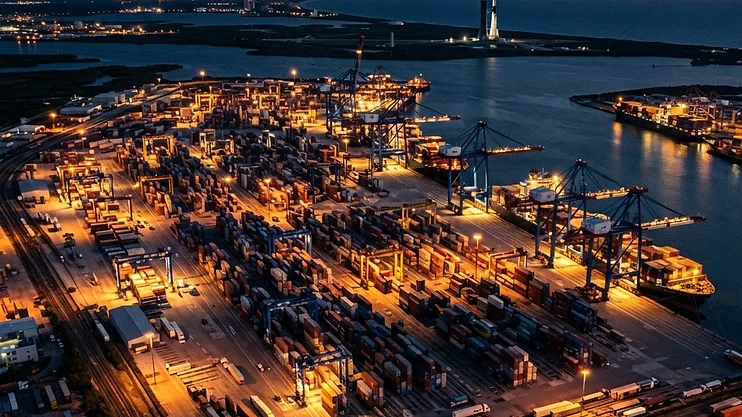
The world’s busiest spaceport is officially stretched to its limits.
The Price of Success
The world’s busiest spaceport is officially stretched to its limits. With Relativity Space expanding its Terran R production and Amazon’s Project Kuiper utilizing local facilities, the sheer volume of activity at the Cape is creating a ripple effect across Melbourne and Viera. The challenge is no longer just about launching rockets; it is about managing the terrestrial infrastructure that supports them.
The Infrastructure Challenge
From Port Canaveral’s recommended expansions to the strain on local power grids and logistics networks, the 'Cape Congestion' is a real-world operational hurdle. For local businesses, this means that the traditional 'just-in-time' delivery models are becoming increasingly risky.
Strategic Adaptations
- Diversify Logistics: Relying on a single transit route to the Cape is no longer viable. Businesses should explore redundant supply chain paths.
- Digital Twin Adoption: Companies like Space Coast Intelligent Solutions are increasingly using software to model operational bottlenecks. Implementing digital twins can help predict when local traffic or utility demand will peak.
- Policy Engagement: Local leaders must engage with the Space Coast Chamber’s TAAD initiative to ensure that infrastructure investment keeps pace with the rapid influx of aerospace contractors.