


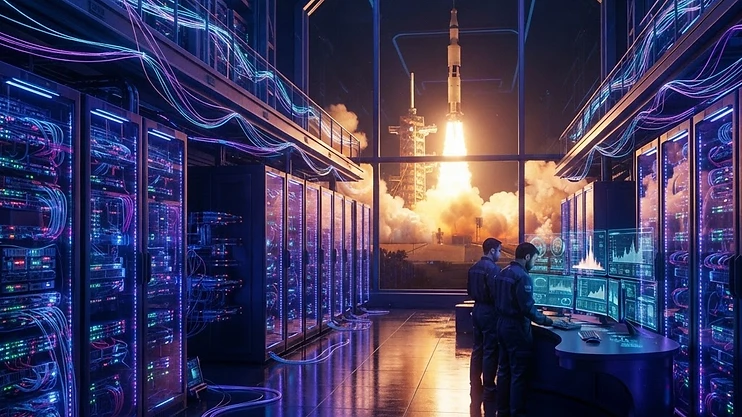
The Space Coast is no longer just a launch site; it is rapidly becoming a critical node in the global cloud and network infrastructure map.
The Space Coast is no longer just a launch site; it is rapidly becoming a critical node in the global cloud and network infrastructure map. With the massive influx of aerospace and defense contractors into Melbourne, Viera, and the surrounding areas, the demand for secure, high-speed, and resilient infrastructure has reached a fever pitch. This is not just about fiber optics; it is about the creation of a 'hardened' regional network that can support the next generation of autonomous, AI-driven space missions. The recent approval of tariffs for a SpaceX-affiliated gas pipeline and the ongoing expansion of engineering facilities are just the tip of the iceberg in a broader strategy to secure the region’s technological dominance.
This matters because in the modern era of space and defense, data is the most valuable commodity. The ability to move, process, and secure massive amounts of telemetry and mission data in real-time is what separates the winners from the losers. By concentrating this infrastructure in the Space Coast, the region is creating a 'moat' that is difficult for competitors to replicate. This infrastructure is not just for the companies that are here today; it is the foundation for the entire future of the commercial space economy. As global shifts in cloud and network security land in Florida, the Space Coast is positioning itself as the most secure and reliable place on the planet to conduct aerospace operations.
For organizations in the region, this means that the 'cloud' is no longer a remote, abstract concept—it is a physical, local reality. The integration of secure, high-speed networks with local manufacturing and engineering hubs is creating a unique ecosystem that is attracting even more investment. The challenge for the region is to maintain this momentum while ensuring that the infrastructure remains secure against the growing threat of cyberattacks and physical sabotage. The Space Coast is effectively building the 'backbone' of the future space economy, and the implications for the local economy are profound.
What happened
Throughout 2026, the Space Coast has seen a flurry of infrastructure-related developments that go far beyond simple construction. On October 5, 2026, Florida regulators approved a tariff for a SpaceX subsidiary’s Brevard gas pipeline, a move that highlights the increasing integration of energy and data infrastructure in the region. This follows a series of major investments by companies like Northrop Grumman, which recently unveiled a 300,000-square-foot engineering facility in Melbourne, and the ongoing expansion of commercial aerospace facilities at Kennedy Space Center. These developments are part of a larger, coordinated effort to build a robust, secure, and high-capacity infrastructure that can support the intense demands of the modern aerospace industry. The region is also seeing a surge in demand for specialized data centers and secure network facilities, as companies look to process and store sensitive mission data locally. This infrastructure 'moat' is being built through a combination of public-private partnerships, state-level policy support, and massive private investment. The goal is to create a self-contained, highly secure environment where aerospace companies can operate with minimal risk of disruption. This is a significant departure from the past, where infrastructure was often an afterthought; today, it is a core component of the region’s competitive strategy.
Why it matters
This infrastructure build-out is the 'silent' story of the Space Coast’s success. While the headlines focus on rocket launches, the real story is the massive, invisible network of power, data, and security that makes those launches possible. In the next two to three years, we expect this infrastructure to become the primary driver of corporate site selection in the region. Companies will not just be coming to the Space Coast for the launch pads; they will be coming for the secure, high-speed, and resilient infrastructure that is now available. This creates a massive competitive advantage for the region, as it becomes the 'gold standard' for aerospace and defense operations. The second-order consequence is a surge in demand for cybersecurity and network management services, as the region becomes a prime target for state-sponsored actors and cybercriminals. The companies that can provide this level of security will be the biggest winners, while those that fail to invest in their own infrastructure will find themselves increasingly vulnerable. This is a structural change that will define the Space Coast for the next decade, as it transitions from a launch site to a global hub for secure, high-tech aerospace operations.
The breakdown
- Energy-Data Integration: The approval of the SpaceX-affiliated gas pipeline is a prime example of how energy and data infrastructure are becoming intertwined. Reliable power is essential for the massive data centers and manufacturing facilities that are now the backbone of the Space Coast economy.
- Hardened Networks: The region is investing in secure, high-speed networks that are designed to withstand both physical and cyber threats. This is critical for the sensitive mission data that is constantly being transmitted between launch sites, engineering hubs, and government agencies.
- Data Sovereignty: By keeping data processing and storage local, companies can ensure greater control and security over their intellectual property. This is a major selling point for defense contractors and commercial space firms that are dealing with highly sensitive information.
- The 'Moat' Effect: The concentration of this infrastructure in the Space Coast creates a significant barrier to entry for other regions. It is not just about the cost of building the infrastructure; it is about the time and expertise required to create a secure, integrated ecosystem.
- Cybersecurity Demand: As the region becomes a more critical node in the global aerospace network, it will inevitably become a target. This creates a massive opportunity for local cybersecurity firms to provide the specialized services needed to protect this infrastructure.
- Public-Private Synergy: The success of this infrastructure build-out is a testament to the power of public-private partnerships. By aligning the interests of state regulators, local government, and private industry, the Space Coast has created a model for regional development that is being watched by the rest of the country.
- Future-Proofing: The infrastructure being built today is designed to be scalable and adaptable to future technologies. This ensures that the Space Coast will remain at the forefront of the aerospace industry for years to come, regardless of how the technology evolves.
Key takeaways
- The Space Coast is building a secure, high-capacity infrastructure 'moat' that is becoming a major competitive advantage.
- Energy and data infrastructure are becoming increasingly integrated, creating a more resilient and efficient regional network.
- The region is becoming a global hub for secure aerospace data processing and storage.
- Cybersecurity is the next big growth area for the Space Coast as it becomes a prime target for cyber threats.
- Infrastructure investment is now the primary driver of corporate site selection in the region.
Our view
Most coverage of the Space Coast focuses on the 'spectacle' of the launch, but the real story is the 'infrastructure' that makes it possible. We believe that the region is currently in the middle of a massive, multi-year infrastructure build-out that will make it the most secure and reliable place on the planet for aerospace operations. The biggest mistake observers make is thinking that this is just about 'more fiber' or 'more power.' It is about the creation of a hardened, integrated ecosystem that is designed to support the next generation of autonomous, AI-driven space missions. We expect to see a massive surge in demand for cybersecurity and network management services in the region, as companies scramble to protect their assets. The winners will be the firms that can provide this level of security, while the losers will be those that continue to rely on outdated, insecure infrastructure. We predict that by 2029, the Space Coast will be the global standard for secure aerospace infrastructure, and any company that is not here will be at a significant competitive disadvantage.
What to do about it
- For Business Leaders: Evaluate your current infrastructure needs and consider how you can leverage the secure, high-speed networks being built in the region. Don't wait for your competitors to gain the advantage of this infrastructure.
- For Technical Professionals: Focus on developing skills in cybersecurity, network management, and data center operations. These are the skills that will be in the highest demand as the Space Coast’s infrastructure continues to grow.
- For Cybersecurity Firms: Look for opportunities to partner with local aerospace and defense contractors to provide the specialized security services they need to protect their mission-critical data.
- For Policy Makers: Continue to prioritize the development of secure, resilient infrastructure. Ensure that the regulatory environment remains supportive of the investments needed to keep the Space Coast at the forefront of the industry.
The bottom line
The Space Coast is quietly building a massive, secure infrastructure moat that is becoming the envy of the global aerospace industry. By integrating energy, data, and security into a hardened regional network, the region is securing its position as the most reliable place on the planet to conduct high-tech operations. This infrastructure is the foundation for the entire future of the commercial space economy, and its impact on the local economy will be profound. As the industry continues to evolve, the Space Coast will remain at the forefront, providing the secure, high-speed, and resilient environment that the next generation of aerospace missions requires. The future of space is being built here, and it is being built on a foundation of rock-solid infrastructure.